
Rhode Island’s divorce rate is moderate to upper-middle compared to other U.S. states, which is notable for the typically low-rate Northeast. The crude divorce rate is generally reported between 2.7 and 3.2 divorces per 1,000 residents. Recent CDC data places it at about 2.7 per 1,000. This ranks Rhode Island higher than many of its New England neighbors. Clearly, Rhode Islanders like to keep things interesting in the marriage department.
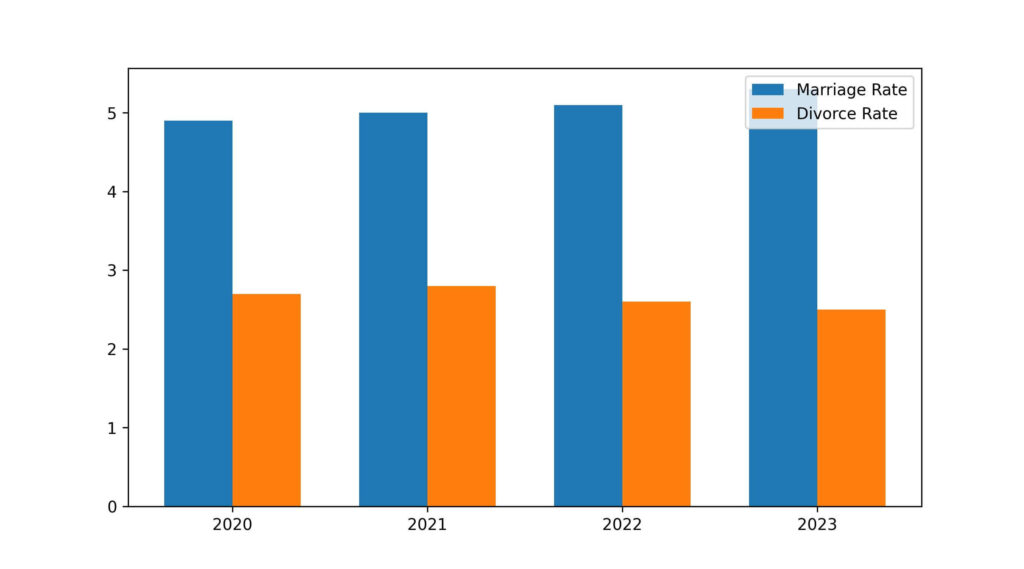
The median length of marriage in Rhode Island is about 19 years. This includes all current marriages, both intact and ongoing. So, Rhode Islanders call it quits a bit earlier than most – guess they like keeping things fresh.
| Age Group (Years) | U.S. Divorce Rate per 1,000 Married Women (2021) | Key Rhode Island/National Trend Observations | Rhode Island Overall Divorce Rate (Recent Estimates) |
|---|---|---|---|
| 15–24 | 19.7 | Highest rate — divorce is most likely for those who marry young nationally. | 2.3 per 1,000 total population (Crude Rate, 2021) |
| 25–34 | 16.3 | High rate, though declining for younger generations nationally due to later marriage. | 14.6 per 1,000 married women (Refined Rate, 2022) |
| 35–44 | 14.9 | Marriages that last the median duration (8 years) often place the individuals in this age bracket for their divorce. | 9% of males and 13% of females 15+ are currently divorced (Census Data) |
| 45–54 | 14.1 | Stable rate, slightly lower than younger groups. | |
| 55–64 | 11.8 | Part of the “Gray Divorce” trend; the rate for this older group has risen significantly since 1990. | |
| 65 and older | 5.5 | Lowest rate, but fastest-growing demographic for divorce since 1990. |
Divorce Rate in Rhode Island in 2025
- Low Divorce Rate: Rhode Island consistently ranks among the states with the lowest divorce rates in the U.S., a trend common throughout the Northeast.
- Hybrid Divorce System: Both no-fault and fault-based divorces are allowed. Fault grounds include adultery, extreme cruelty, and willful desertion.
- Two Mandatory Waiting Periods:
- 75 days after filing before a nominal hearing can occur.
- 90 days after the judge’s decision before the divorce decree is final.
- Lengthy Process: Even uncontested divorces typically take 5–6 months due to the dual waiting periods.
- Fault Can Affect Property Division: Marital misconduct may influence how assets are divided, potentially giving a larger share to the non-fault spouse.
- Residency Requirement: At least one spouse must have lived in Rhode Island for a continuous year before filing.
- Equitable Distribution: Marital property is divided fairly by the court, which may not mean an exact 50/50 split.
Divorce Rate in Rhode Island in 2024
- High Refined Divorce Rate: Rhode Island is the only Northeastern state in the top quartile nationally for refined divorce rates, defying the region’s typically low numbers.
- Mandatory Three-Month Waiting Period: Even after a judge grants the divorce, a 90-day waiting period must pass before the Final Judgment is issued, meaning even uncontested cases take at least four months.
- Residency Requirement: The filing spouse must have lived in Rhode Island continuously for at least one year before initiating divorce.
- Hybrid Grounds: Rhode Island allows both no-fault (“irreconcilable differences”) and fault-based divorces (adultery, extreme cruelty, willful desertion, habitual substance abuse).
- Fault Can Affect Financial Outcomes: A spouse’s misconduct may influence spousal support and equitable division of assets.
- Equitable Distribution: Marital property is divided fairly as the court sees fit, which doesn’t necessarily mean 50/50.
- “Decision Pending Entry of Final Judgment”: After the judge approves the divorce, parties remain legally married until the three-month waiting period ends and the Final Judgment is signed.
Divorce Rate in Rhode Island in 2023
- Low Crude Divorce Rate: Rhode Island’s crude divorce rate is about 2.3 per 1,000 residents, slightly below the national average of 2.5.
- Unique Multi-Stage Waiting Period: The process includes:
- 75-day initial wait: After filing, before the first “nominal” hearing.
- 3-month final wait: Even after the judge grants the divorce, parties must wait three months for the Final Judgment, making the minimum timeline about 5.5 months.
- High Refined Divorce Rate: Despite a low crude rate, Rhode Island ranks in the top quartile for refined divorce rate (per 1,000 married women), suggesting a higher likelihood of divorce among married couples.
- Dual-Grounds State: Rhode Island allows both no-fault (“irreconcilable differences”) and fault-based divorces (adultery, extreme cruelty, willful desertion).
- Fault Can Affect Financial Outcomes: A judge may consider marital misconduct when determining alimony and equitable division of assets, potentially resulting in unequal property distribution.
- Alimony is Rehabilitative: Support is usually short-term, designed to help the lower-earning spouse become financially self-sufficient rather than providing permanent payments.
- Residency Requirement: At least one spouse must have lived in Rhode Island for a continuous year before filing for divorce.